Why Cot Newborn Is So Helpful In COVID-19
Cot for Newborns: A Comprehensive Guide
Selecting the best sleeping arrangements for a newborn is among the most significant choices moms and dads deal with. Among the fundamentals for brand-new parents is a cot, which works as a safe, comfortable sleeping area for the baby. This article will explore the various kinds of cots readily available, important safety factors to consider, pointers for selecting the right one, and maintenance guidelines to guarantee resilience and security.
Kinds of Cots for Newborns
When it concerns cots, there are numerous alternatives in the market. Each type has its special functions and benefits. Below is a table summarizing the different kinds of cots readily available for babies.
Type of Cot
Description
Pros
Cons
Requirement Cot
A timeless crib with fixed sides.
Strong and long lasting; helpful for long-term use.
Can be large; might not fit in smaller areas.
Cradle
A little, rocking cot developed for infants.
Portable and soothing for infants.
Restricted use as baby grows; less stable.
Moses Basket
A light-weight basket with deals with.
Highly portable; cozy for babies.
Much shorter lifespan; usually not ideal for older infants.
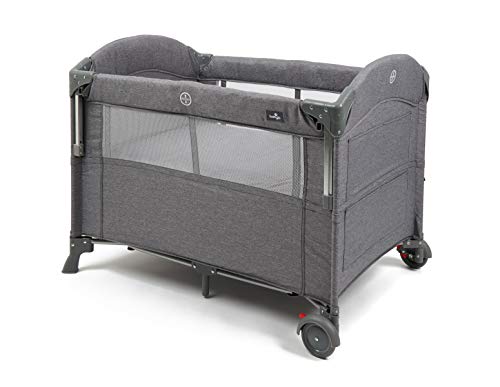
Travel Cot
A foldable cot appropriate for travel and temporary use.
Easy to transfer; usually simple to establish.
May lack durability; not as visually pleasing.
Co-sleeper Cot
Attaches to the moms and dads' bed, permitting distance.
Promotes bonding; breastfeeding benefit.
Restricted area; frequently more costly.
Convertible Cot
Can change from a crib to a young child bed.
Adapts with baby's growth; long-lasting financial investment.
Higher initial expense; assembly might be needed.
Crucial Safety Considerations
When choosing a cot for a newborn, safety needs to always be the main issue. Here is a list of vital safety standards and guidelines to consider.
- Standards Compliance: Ensure the cot fulfills security requirements set by regulative bodies such as the Consumer Product Safety Commission (CPSC) in the U.S. or the European safety requirements.
- Slat Spacing: The distance in between cot slats ought to not surpass 2 3/8 inches (6 cm) to prevent a baby's head from getting stuck.
- Stability: The cot should be strong and steady. Shake the cot before purchasing to ensure it does not wobble.
- Mattress Fit: The bed mattress must fit comfortably into the cot, without any gaps larger than two fingers in between the mattress and the cot sides.
- No Hazardous Materials: Check for non-toxic surfaces and products, making sure that the cot is totally free from harmful chemicals.
- Get rid of Clutter: Avoid positioning toys, pillows, or blankets inside the cot, as these can pose suffocation threats.
Tips for Choosing the Right Cot
Selecting a cot can be an overwhelming procedure due to the myriad of alternatives offered. Here are some suggestions to assist enhance this process:
- Consider Size: Evaluate the size of your nursery or bedroom. Guarantee the cot fits easily in the designated area.
- Prepare for Growth: Think about the longevity of the cot. Convertible cots may use better value by adapting to a growing kid.
- Budget Wisely: Quality cots can range commonly in rate. Set a spending plan and adhere to it, focusing on security and functionality first.
- Research study Brands: Read reviews and conduct research study on numerous brands. Dependable producers need to offer transparent information about their safety practices.
- Convenience: Ensure that the mattress is firm and provides adequate assistance. A soft mattress might increase the danger of SIDS (Sudden Infant Death Syndrome).
- Aesthetics Matter: While security is important, consider how the cot suits the overall decor plan of the nursery.
Maintenance of the Cot
Making sure the security and durability of your newborn's cot needs continuous maintenance. Here are some practical maintenance suggestions:
- Regular Inspections: Routinely examine the cot for any loose screws or parts. Tighten them as needed to preserve sturdiness.
- Tidiness: Wipe down the cot regularly with a wet fabric and mild soap to eliminate dust and allergens.
- Bed mattress Care: Choose a waterproof cover for the mattress, making it simple to clean spills or accidents. Regularly replace the mattress if it reveals signs of wear and tear.
- Safe Storage: If the cot is adjustable or convertible, shop any removable parts in a secure place, guaranteeing they are not lost and are available for future use.
- Child's Development: Monitor your kid's growth. Transition to a toddler bed when they start climbing up out of the cot to guarantee their security.
Frequently Asked Questions (FAQs)
1. What is the very best type of cot for a newborn?
The best cot varies depending on individual requirements and space, however a Standard Cot is frequently recommended for its sturdiness and long life-span.
2. The length of time can a newborn usage a cot?
Usually, the majority of babies shift out of a cot in between 2-3 years depending upon height and weight.
3. Is a co-sleeper cot safe?
Yes, co-sleeper cots are developed to be safe, as long as they satisfy security requirements and are correctly set up.
4. Should I use bumpers in my cot?
It is suggested to avoid using bumpers as they posture a suffocation threat. Rather, ensure Cots On Sale is clear of any soft bedding.
5. Can I use a second-hand cot?
If considering a pre-owned cot, guarantee it abides by the current security standards and has not surpassed its lifespan or been remembered.
Picking a cot for a newborn is a vital choice that needs cautious factor to consider of safety, area, and functionality. By understanding the types, safety features, and maintenance requirements, parents can confidently select a cot that satisfies their family's requirements. Ultimately, the right cot will supply a safe and comfy space for your newborn to sleep, contributing to their wellness and advancement during those vital early years.